

Hazardous waste is transported through sewage pipes. That garbage is not only unpleasant, but it is also harmful to your health. Your health can be affected if your sewer problems are so severe that contaminated water accumulates in the backyard or bathroom. Parasites, fungi, and bacteria can all be found in sewage water. If someone from your family has been exposed to sewage water, you may encounter various problems. Headaches, cramps, and diarrhea are all common signs of exposure to sewage water.
Planning to move to a new house? The first thing you should do is install a sewer pipe to avoid exposure to it. Several experienced plumbers in Rowlett, Texas, can help you with sewer pipe installation. You can also try Walden Plumbing Services, one of the best plumbing firms in the region.
Here’s a comprehensive guide on the installation of a sewer pipe:
Materials to Use for Sewer Pipe
Following are some efficient materials that should be used for sewer pipes to get top performance.
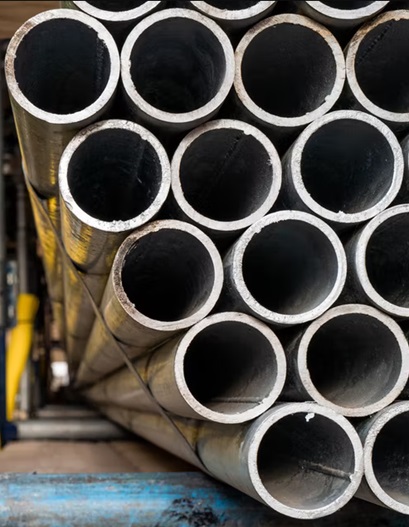
- Steel was one of the most common materials used for sewer pipes. It is strong, resistant, and durable. One of the major drawbacks of using steel sewerage pipes is the formation of rust.
- Concrete pipes are rapidly replacing steel sewerage pipes because of several benefits. They are the go-to choices of the plumbing firms as they are durable and known for their longevity and require little to no maintenance over a long period. Concrete doesn’t rust and is an eco-friendly material that also prevents leaks.
- In terms of ease of use and transportation, many contractors prefer using plastic sewerage pipes since they’re lighter. Plastic is easy and convenient to use since it is durable, requiring less maintenance than steel pipes.
Sewer Pipe Installation Guide
Installation of sewer pipes requires lots of expertise and experiment. When installing sewer pipes, always hire a professional contractor to get good quality work. There are different factors on which the pipe installation depends. Following is a brief guide on how to install sewer pipes.
Determine Pipe’s Depth
One of the first steps in sewer pipe installation is determining the pipe’s depth or elevation. These elevations can be measured through surveying equipment, GPs, or laser level. Residential sewer pipes are installed close to the house and connected to the city’s mainline.
Determine Slope
Done calculating pipe’s depth? The next step is to calculate the slope. The depth and length of the pipe can help determine the slope. Subtract starting elevation from ending elevation o find the total drop in depth. Divide it from the length of the pipe to get the slope. Remember, a steeper slope will favor the running of liquid waste through it. It is best to get help from experts.
Dig The Trench And Install The Pipe
The next step involves sewer pipe installation. To prevent unnecessary disturbance in the soil, dig the trench for sewer. It is recommended to make a narrow trench, so less soil is disturbed. After laying the bedding material in the trench, the plumbers will start the pipe installation. These are generally installed one section at a time. Pipes are connected till they are linked with the city’s main pipeline. Once the pipes are installed, you must backfill the trench.
Walden Plumbing Services Offer Top-Quality Pipe Installation Services In Rockwall
Are you planning to shift to a new house? Book an inspection survey with Walden Plumbing Services to install sewer pipes smoothly. We are an experienced company with top-quality professionals to offer the best services. Our services include plumbing system repair, sewer pipe replacement, residential plumbing, etc.
Contact us to learn more about our services.
Recent Comments