

Understanding your home’s plumbing type is essential for maintaining a functional and efficient plumbing system. Different plumbing types have unique characteristics, benefits, and potential issues. Knowing which type you have can help you identify problems more quickly and decide on the best maintenance and repair strategies.
Common Plumbing Types
1. Copper Pipes
Copper pipes are one of the most traditional and reliable plumbing materials. They are durable, resistant to corrosion, and can withstand high temperatures. However, they can be more expensive to install and may require professional expertise for repairs.
2. PVC Pipes
Polyvinyl chloride (PVC) pipes are widely used for both residential and commercial plumbing. They are lightweight, easy to install, and resistant to rust and corrosion. PVC pipes are typically used for cold water applications and drainage systems.
3. PEX Pipes
Cross-linked polyethylene (PEX) pipes are highly flexible and can be installed easily, which is why they’re found in many modern plumbing systems. They can be used for both hot and cold water lines and are resistant to scale and chlorine, ensuring a long lifespan. Moreover, PEX pipes cost less than copper.
4. Galvanized Steel Pipes
Older homes may have galvanized steel pipes, commonly found in homes built over half a decade ago. These pipes are completely coated with a layer of zinc to protect them from rust. However, after a while, the coating usually wears off, leading to rust and potential blockages. We recommend that you get your old galvanized pipes replaced with modern materials.
5. Cast Iron Pipes
Cast iron pipes are popular due to their durability and sound-dampening properties. They’re usually used for drainage and sewer lines. Despite their strength, cast iron pipes can be prone to corrosion and may need to be replaced if they start to leak.
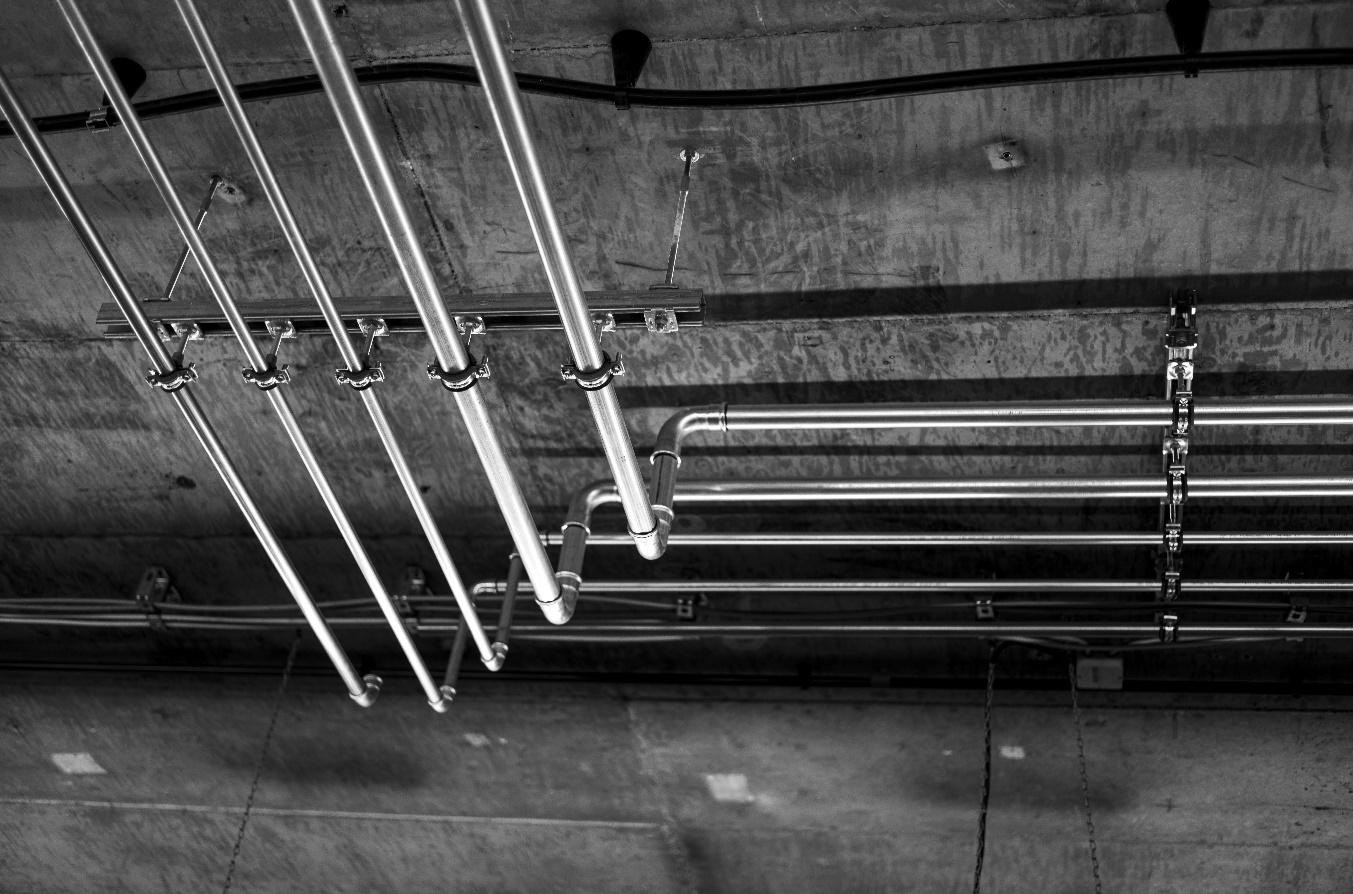
Identifying Your Home’s Plumbing Type
To identify your home’s plumbing type, start by checking visible pipes in your basement, crawl spaces, or utility rooms. Look for color, texture, and any labels or markings that indicate the material. If you’re unsure, consider hiring a professional plumber to conduct an inspection and provide a detailed report.
Why It Matters
Understanding your home’s plumbing type is important for several reasons:
- Maintenance: Different materials require different maintenance approaches. Knowing your plumbing type helps you follow the correct maintenance guidelines.
- Repairs: In case of a leak or other issues, identifying your home’s plumbing type quickly can expedite repairs and minimize damage.
- Upgrades: If you’re planning to renovate or upgrade your plumbing system, knowing the existing materials will help you make informed decisions about replacements and compatibility.
Identify your home’s plumbing type to ensure your plumbing system is in top shape. Contact us at Wasden Plumbing Services to schedule a professional inspection today to keep your pipes running smoothly. We offer a variety of plumbing services, including clogged drain repairs, leak repairs, toilet leak repairs, and more!
Recent Comments